
Yes, you can stay in Japan on a tourist visa, but for far less time than most travelers expect.
Japan has no separate tourist visa category. Visitors enter as Temporary Visitors, and the officer at the airport decides whether you get 15, 30, or 90 days.
This guide explains who needs a visa, how the online and in-person routes work, what the visa does not guarantee, and what happens when your days run out.
What Is a Tourist Visa in Japan?
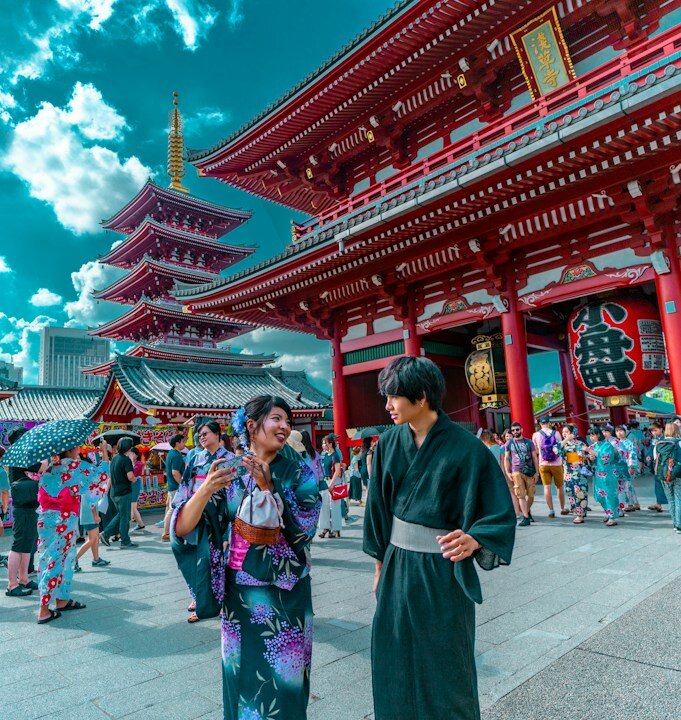
Japan calls it a Temporary Visitor visa (短期滞在), and it covers sightseeing, visits to friends or relatives, and short business meetings.
Citizens of more than 70 countries skip the visa and receive the same status on arrival. Everyone else applies for the visa before flying.
The two doors lead to the same room. Both give you a short stay, both ban paid work, and both leave the final decision to immigration.
A visa is permission to arrive at the border. Landing permission comes from the officer who inspects you.
Takeaway: check first whether your passport is visa-exempt, because that decides whether you apply at all.
How Long Can You Stay in Japan on a Tourist Visa?

The maximum is 90 days per visit, and the officer can grant 15, 30, or 90 days based on your plans.
| Situation | Days granted | Can you extend? |
|---|---|---|
| Tourist visa (single entry) | 15, 30, or 90 days | In principle, no |
| Visa-exempt traveler | Usually 90 days | In principle, no |
| UK, Ireland, Austria, Germany, Liechtenstein, Mexico, Switzerland | 90 days on landing | Yes, one more 90 days at an immigration bureau |
Your landing stamp or sticker shows the exact period of stay. Treat that date as final.
Takeaway: a longer itinerary and clear return tickets help you receive the full 90 days.
How to Apply for a Tourist Visa
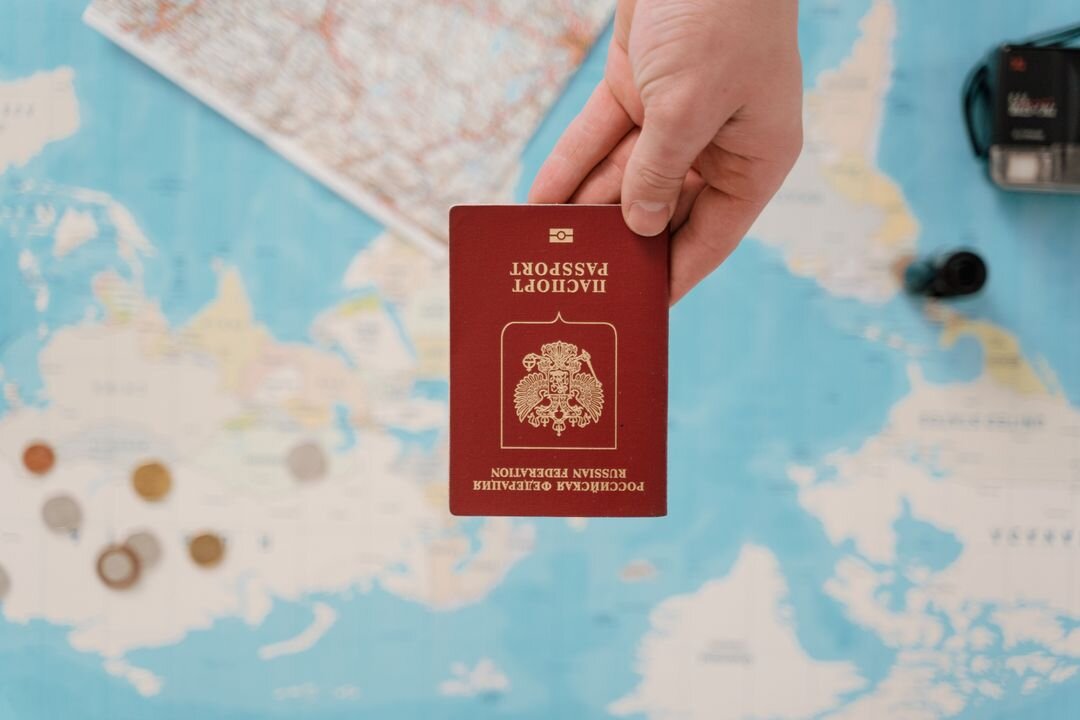
You have two routes: the online eVISA or an in-person application at a Japanese embassy or consulate.
The eVISA Route
The JAPAN eVISA system issues an electronic visa for eligible applicants, and the fee was long 3,000 yen before a recent increase.
- It covers single-entry tourism stays under 90 days only
- You must travel by plane, not by ship
- You can apply no earlier than 3 months before your travel date
- The eVISA stays valid for 3 months from issue and cannot be extended
- Previously rejected applicants and multiple-entry requests cannot use it
Use only the official Ministry of Foreign Affairs eVISA site. Fake sites copy its look.
The Embassy Route
You must apply in person for a multiple-entry tourist visa, a visa to visit friends or family, or any case the eVISA excludes. The Boston consulate also limits its eVISA to travelers who stay in hotels, not in a relative’s home.
What Documents You Need
Requirements vary by embassy, but most ask for these items:
- A completed visa application form
- A recent passport photo
- A confirmed flight itinerary with entry and exit dates
- Hotel reservations
- A day-by-day travel itinerary
- Recent bank statements, usually covering three to six months
Processing takes 5 to 7 working days after the embassy receives a complete application. The consulate can ask Tokyo for a review, and that adds weeks.
The Japanese embassy in Houston states that Japan does not require six months of remaining passport validity, provided your ordinary passport is valid on your travel date. Agencies often advise a longer margin, so confirm with your embassy.
Takeaway: a vague itinerary or thin bank statement causes most rejections, so apply with specific dates and clear funds.
What a Tourist Visa Does Not Guarantee
A visa does not promise entry. Japan’s immigration act gives officers the final say at the airport.
Officers can ask for proof that you will leave, such as a return ticket and enough funds. Prepare these before you land:
- Your return or onward ticket
- Hotel confirmations or a host address
- A card or cash that covers your trip
- Your Visit Japan Web QR code
What You Cannot Do While You Stay in Japan on a Tourist Visa
Temporary Visitor status prohibits paid work. Remote work for a foreign employer sits in a gray zone, because the status does not formally cover it.
You also cannot switch to a long-term status from inside the country. Visitors are expected to leave and apply from abroad with a Certificate of Eligibility.
Leaving and returning to reset your days is possible, but officers can refuse entry, and repeated trips draw questions.
What Happens If You Overstay
Japan counts a single extra day as illegal stay.
A court can impose up to three years in prison or a fine of up to 3,000,000 yen. Deportation brings a re-entry ban of at least five years, and the Departure Order System can cut that ban to one year when you report yourself.
Takeaway: book your exit flight inside your permitted days, and never wait for a deadline to leave.
Options If You Need More Than 90 Days
- Digital nomad visa: six months for remote workers earning 10 million yen or more a year, with no renewal
- Working holiday visa: up to one year for citizens of partner countries
- Work, student, or spouse visas: these require the matching visa before you arrive
Quick Answers to Common Questions
Do I need a tourist visa for Japan?
Only if your passport is not on the visa-exempt list.
Can I extend my tourist visa?
No, unless you hold a passport from one of the seven nationalities that can apply for a second 90 days.
Can I enter Japan twice on one tourist visa?
A single-entry visa works for one entry only, so apply for a multiple-entry visa at an embassy if you plan more trips.
Will fees and rules stay the same?
Visa fees and requirements change, so confirm current details on the Ministry of Foreign Affairs website or with your Japanese embassy.
Plan Your Visit Around the Exit Date
The best way to stay in Japan on a tourist visa is to plan your trip from the end date backward.
Pick your landing date, count your permitted days, and book the flight home before you pack.
Ninety days gives you time to cross the country slowly, and a clean exit keeps the door open for your next visit.
