
Japan is one of those destinations that ruins every other trip you’ll ever take. The food is impossibly good, the trains run on time, the temples are older than most countries, and the people are so genuinely kind it almost feels fictional.
And 11 days? That’s just enough time to fall in love with it — without completely burning out.
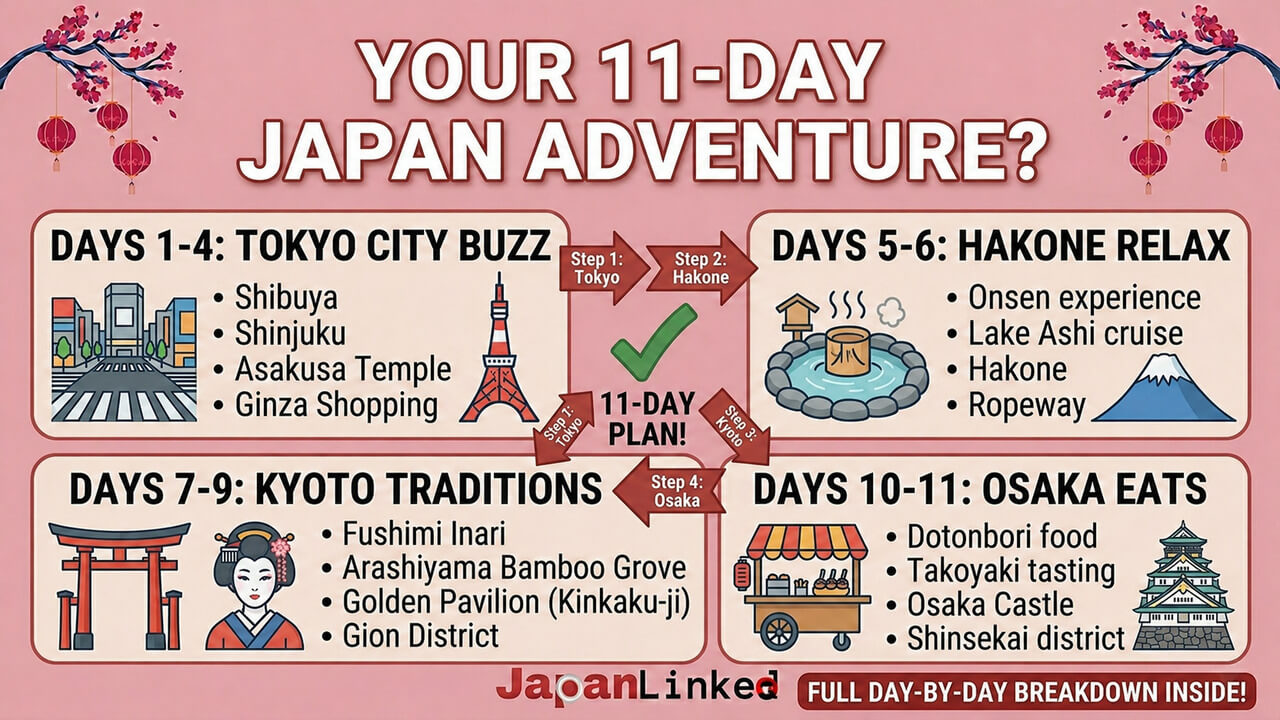
This 11-day itinerary in Japan covers the classic Golden Route – Tokyo, Hakone, Kyoto, and Osaka – with carefully structured day-by-day plans, insider tips, honest transport advice, and the budget details nobody else is being upfront about.
Whether you’re a first-timer or a returning visitor going deeper, this guide will help you hit the highlights without spending half your trip waiting in the wrong queues.
Why 11 Days Is the Sweet Spot for Japan
Seven days in Japan feels rushed. Two weeks can feel like too much if you don’t have flexibility.
Eleven days gives you room to breathe: time to linger over a bowl of ramen, stumble into a neighborhood you didn’t plan, and actually recover from jet lag before you hit the big sights.
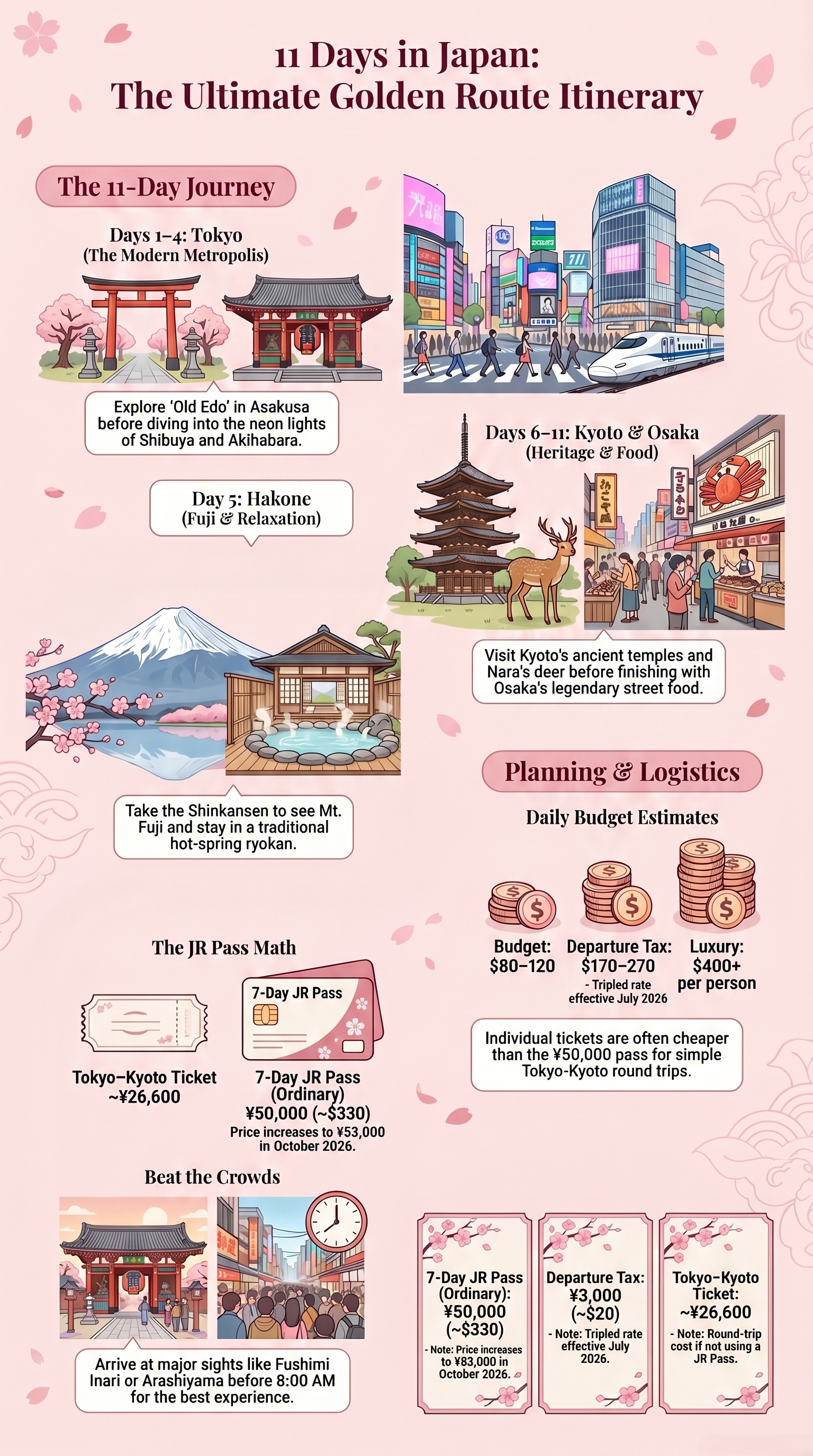
The route in this guide flows from east to west – Tokyo → Hakone → Kyoto → Osaka – which mirrors the Shinkansen line perfectly and avoids backtracking. It’s efficient without being military.
Before You Go: Budget Reality Check
Japan has changed its tourism pricing significantly in the past two years. If you’re traveling, you need to know this going in.
The JR Pass is no longer automatic. After a major price increase in 2023, the 7-day Ordinary Pass now costs ¥50,000 (~$330). A second price hike hits third-party agency purchases in October 2026, raising it to ¥53,000.
If your itinerary covers the full Tokyo–Kyoto–Hiroshima–Osaka circuit, the math may still work in your favor. But for a simple Tokyo–Kyoto round trip, individual Shinkansen tickets (~¥26,600) are cheaper. Run the numbers for your specific route before buying.
New tourist taxes are real but manageable. Starting July 2026, Japan’s departure tax triples to ¥3,000 (~$20) per person. Kyoto introduced a tiered accommodation tax in early 2026, adding ¥200–¥1,000 per night depending on hotel tier.
Several other prefectures have rolled out similar levies. Budget an extra $50–80 per person for the trip to cover these additions – they’re modest, but worth knowing about.
Daily budget estimates:
- Budget traveler: ¥12,000–18,000/day ($80–120)
- Mid-range: ¥25,000–40,000/day ($170–270)
- Luxury: ¥60,000+/day ($400+)
Get a Suica card loaded onto your phone the moment you land. It works on almost every subway, bus, and convenience store in the country – a non-negotiable for smooth city travel.
Days 1–2: Tokyo – Arrive, Orient, Explore Old Edo
Day 1: Arrival & First Impressions
Your first day in Japan is mostly a logistics day, and that’s fine. Between customs, claiming luggage, validating your rail pass (if you have one), and getting to your hotel, your first few hours will disappear.
Don’t fight it. Find your accommodation, ask the hotel staff for a nearby restaurant recommendation, and fuel up on ramen or gyoza before an early night. Jet lag is real – you’ve got 10 big days ahead.
Where to stay in Tokyo: Shinjuku and Shibuya are great hubs for first-timers. Excellent transport connections and you’re never far from food or nightlife.
Day 2: Asakusa, Ueno & Old Tokyo
Wake up early and start in Asakusa, Tokyo’s most atmospheric old district. Senso-ji Temple – Tokyo’s oldest Buddhist temple – is genuinely stunning in the early morning before the crowds arrive.
Walk the Nakamise shopping street, pick up matcha snacks, and spend an hour just wandering the surrounding backstreets.
From Asakusa, make your way to Ueno. The Ameyoko Market is a sprawling open-air street market worth an hour of your time.
If you’re into history and art, the Tokyo National Museum is the largest of its kind in Japan and holds an extraordinary collection of samurai armor, painted folding screens, and ancient artifacts – plan at least two hours here, not one.
End the day by climbing Tokyo Skytree at dusk for views that stretch across the entire city.
Eat tonight: Ramen, sushi-train, or a yakiniku grill – your first proper Tokyo dinner should be something interactive.
Days 3–4: Tokyo – Modern City & Neighborhood Highlights
Day 3: Harajuku, Meiji Shrine & Shibuya
Start with spiritual calm before the chaos. Meiji Shrine sits in a 170-acre forested complex in the middle of the city — a genuinely peaceful walk even on busy days. Enter through the Kitasando Torii gate at the Yoyogi entrance and follow the wooded path to the inner shrine.
From there, walk ten minutes south to Harajuku. Takeshita Street is as unhinged and wonderful as advertised: wild fashion, crepes, bubble tea, and people-watching unlike anywhere else on Earth. A couple of hours here is plenty.
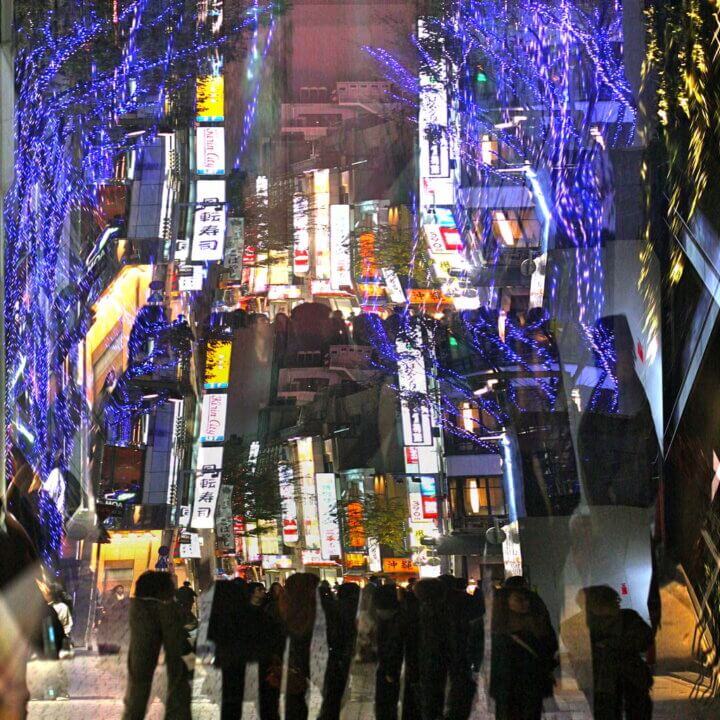
In the late afternoon, head to Shibuya. Cross the famous scramble intersection (best viewed from above at Shibuya Sky or the Starbucks overlooking it), take the obligatory photo with the Hachiko statue, and then wander the department stores and side streets as evening sets in. Shibuya is best experienced at night.
Day 4: Akihabara, Ginza & a Night Out
Akihabara is Tokyo’s legendary electronics and anime district – neon-lit, slightly overwhelming, and deeply specific.
Even if you’re not an anime fan, it’s worth a couple of hours for the sheer visual spectacle. Maid cafes, multi-floor gaming arcades, and electronics stores stacked to the ceiling.
In the afternoon, shift gear completely and visit Ginza – Tokyo’s upscale shopping and dining district. Browse the flagship stores, grab a coffee, and treat yourself to an early dinner somewhere nice before the Shinkansen leg of your trip begins tomorrow.
Day 5: Hakone – Hot Springs, Mountain Views & a Ryokan Night
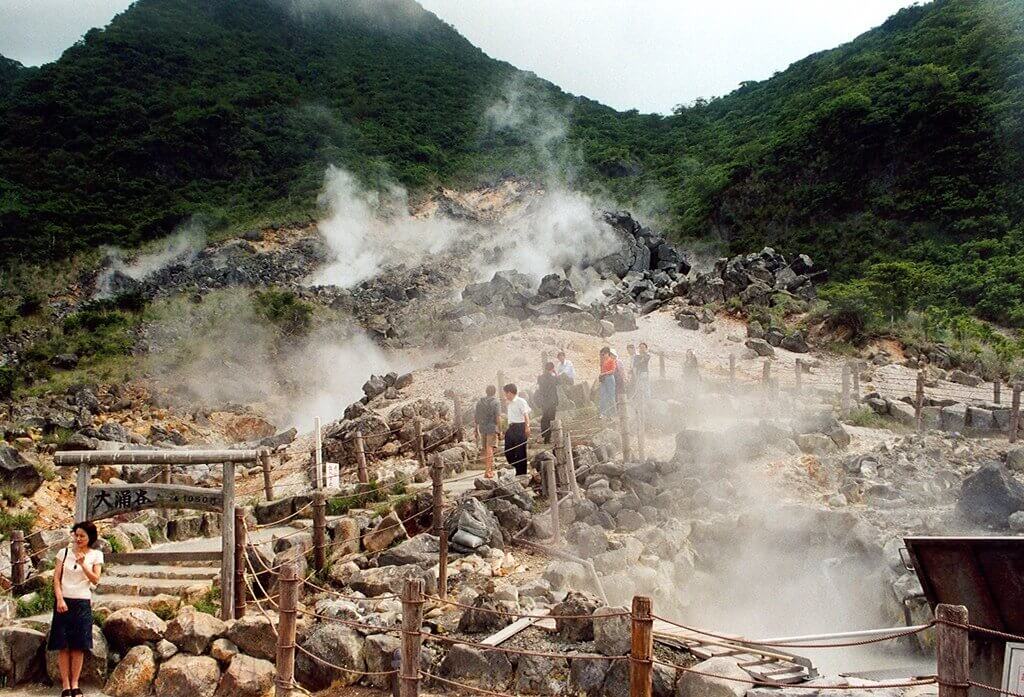
This is the scene change your trip needs. Check out of your Tokyo hotel early and take the Shinkansen to Odawara, then connect to the Romancecar or local train into Hakone. The journey itself is half the fun.
Hakone’s main draw is Mount Fuji – on a clear day, the views from Lake Ashi or the Hakone Ropeway are postcard-perfect. The mountain is notoriously shy about showing itself, but even a cloudy Hakone is beautiful.
Ride the Hakone Ropeway over volcanic geothermal vents, cruise across Lake Ashi with Fuji (hopefully) looming behind the torii gate, and visit the Hakone Open Air Museum if you enjoy art and sculpture in natural settings.
Tonight, stay at a ryokan – a traditional Japanese inn. This is non-negotiable if you want the full Japan experience. You’ll sleep on futon mattresses, be served multi-course kaiseki dinners in your room, and soak in a private or communal onsen (hot spring).
Book a ryokan with a private onsen bath if it’s your first time – the communal ones are wonderful, but having one to yourself removes the anxiety.
Days 6–8: Kyoto – Temples, Geisha Districts & the Ancient Capital
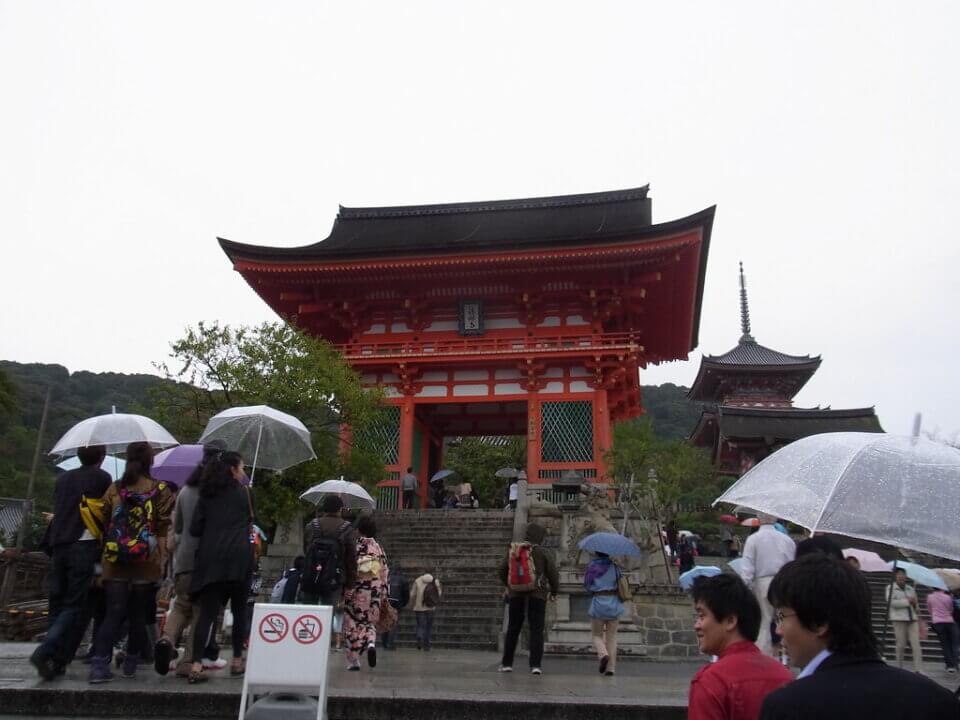
Kyoto was Japan’s imperial capital for over a thousand years. It has more UNESCO World Heritage Sites than almost anywhere on Earth. Three days here barely scratches the surface, but you’ll leave with memories that last a lifetime.
Day 6: Arashiyama & Kinkaku-ji
Start your Kyoto chapter at Arashiyama. The Bamboo Grove is iconic and genuinely eerie in the early morning light – go before 8am if you want any semblance of a peaceful experience.
Nearby, Tenryu-ji Temple has one of the finest Zen garden compositions in Japan. From the temple gardens, walk north into the bamboo forest and continue to the Iwatayama Monkey Park for panoramic city views.
On the Kinkaku-ji question: yes, the Golden Pavilion is beautiful, but it’s also one of Kyoto’s most overtouristed sites.
If you visit mid-day during peak season, the crowd management channels visitors through a narrow one-way path that feels more like an airport terminal than a sacred temple. Go early, or push it to late afternoon.
Day 7: Fushimi Inari, Nishiki Market & Gion
Fushimi Inari Shrine – the path of thousands of orange torii gates winding up a forested mountain – is one of the most photographed sights in all of Japan. The hike to the summit takes about two hours round-trip. The top half of the trail is much quieter than the bottom; push past the first few hundred gates and you’ll practically have the forest to yourself.
In the afternoon, explore Nishiki Market — a narrow, five-block-long covered market nicknamed “Kyoto’s Kitchen.” Sample pickled vegetables, fresh tofu, skewered fish cakes, and matcha everything. It’s crowded, it’s delicious, and it’s perfect.
As evening falls, head to Gion. This is Kyoto’s historic geisha district, and while actual geiko (the Kyoto term for geisha) sightings are rarer than you’d hope, the preserved machiya townhouses and lantern-lit alleyways of Hanamikoji Street are deeply atmospheric. The backstreets around Ishibei-koji are even more magical.
Eat tonight: Kyoto is the place for kaiseki — Japan’s elaborate, multi-course haute cuisine. A kaiseki meal here is worth saving up for. Beautifully presented, hyper-seasonal, and an experience that reframes what dinner can be.
Day 8: Nara Day Trip — Deer & Ancient Temples
An easy 45-minute train ride from Kyoto, Nara was Japan’s first permanent capital and is home to some of the country’s oldest and largest temples. Todai-ji Temple houses the world’s largest bronze Buddha — the sheer scale of it stops you in your tracks.
The real draw, though, is the deer. Around 1,200 wild sika deer roam freely through Nara Park and they will absolutely mug you for the shika senbei (deer crackers) sold at stalls throughout the park. They bow. They headbutt. They are completely charming and only slightly terrifying.
Return to Kyoto for your final night and a quiet dinner in the Pontocho alley – a narrow dining lane along the Kamo River where restaurants open onto private riverside terraces in the warmer months.
Days 9–10: Osaka – Food City, Nightlife & Day Trips
Take the 15-minute Shinkansen or 75-minute local train from Kyoto to Osaka. Base yourself in Namba or Shinsaibashi for maximum access to food and nightlife.
Day 9: Dotonbori, Osaka Castle & Shinsekai
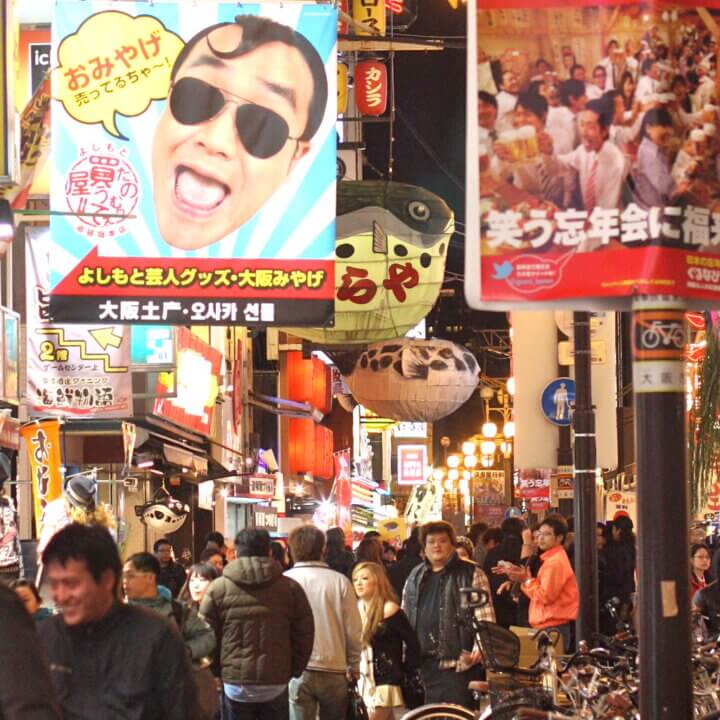
Dotonbori is Osaka’s entertainment and food district — neon signs, giant mechanical crabs, takoyaki (octopus balls) sizzling in roadside stalls, and a canal running through the middle of it all. It’s louder, cheaper, and more chaotic than Kyoto, and that’s entirely the point.
After a morning in Dotonbori, visit Osaka Castle – set in a large park, the castle is especially photogenic and the surrounding grounds make for a pleasant afternoon walk.
In the evening, head to Shinsekai, Osaka’s retro working-class neighborhood, for kushikatsu (deep-fried skewers) – the classic Osaka street food.
Osaka’s food reputation is not exaggerated. Okonomiyaki, ramen, takoyaki, unagi — budget extra here because you will eat more than you plan to.
Day 10: Hiroshima Day Trip (Optional) or Osaka Exploration
If you have the right rail pass and a desire for one of Japan’s most profound historical experiences, Hiroshima is a 90-minute Shinkansen ride from Osaka.
The Peace Memorial Museum and surrounding park are sobering, educational, and deeply moving. Combine it with a ferry ride to Miyajima Island to see the famous floating torii gate of Itsukushima Shrine – one of Japan’s most iconic images.
Alternatively, spend a more relaxed Day 10 in Osaka: explore the Kuromon Ichiba Market (Osaka’s famous covered food market), visit Sumiyoshi Taisha (one of Japan’s oldest Shinto shrines, beautifully uncrowded), or simply eat your way through a few more neighborhoods before your final night.
Day 11: Depart
Osaka has its own international airport (Kansai International, KIX), so if you flew in to Tokyo, you have the option of flying home from Osaka – no backtracking required.
Alternatively, the Shinkansen back to Tokyo takes about 2 hours 30 minutes if you prefer to fly out of Narita or Haneda.
Use the morning for any last-minute shopping, a final convenience-store breakfast (yes, Japanese convenience-store food is that good), and a quiet moment to absorb the fact that you’ve just taken one of the best trips on the planet.
Practical Tips for Your 11 Days in Japan
- Getting around: The Suica card handles city transport everywhere. For the Shinkansen between cities, calculate whether a 14-day JR Pass (¥70,000–84,000 depending on when you buy) covers your specific routes — for this Tokyo–Hakone–Kyoto–Osaka–Hiroshima itinerary, it likely does. Buy before October 2026 through third-party agencies if possible to lock in current pricing.
- Best time to visit: Spring (late March–April) for cherry blossoms and autumn (mid-October–November) for fall foliage are the most spectacular seasons, but also the most crowded and expensive. June–early July (rainy season) and January–February offer dramatically lower prices and fewer queues.
- Overtourism is real — go early: For popular sights like the Arashiyama Bamboo Grove, Fushimi Inari, and Senso-ji, arriving before 8am is transformative. The experience changes completely without the crowds.
- Cash still matters: Japan is increasingly card-friendly, but many smaller restaurants, temples, and vending machines are still cash-only. Keep ¥10,000–20,000 on hand at all times.
- Pocket Wi-Fi or SIM: Rent a pocket Wi-Fi at the airport or buy a tourist SIM. Google Maps in Japan is extremely accurate and will become your most-used travel companion.
Conclusion
Eleven days in Japan won’t show you everything — but it’ll show you enough to understand why people return year after year.
The temples, bullet trains, and perfectly crafted meals add up to something more than tourism. Japan has a way of getting into your bloodstream.
Start planning early, buy your rail pass before any further price increases, and book popular ryokans and restaurants months in advance.
The best experiences here – a kaiseki dinner in Gion, a solo sunrise at Fushimi Inari, a ryokan soak with Fuji in the distance – don’t happen by accident. They happen because you planned for them. Now go. Japan is waiting.
