
Yes, you can still book Airbnb in Japan, as long as the host holds a valid registration.
Japan overhauled its short-term rental rules, and Airbnb removed about 80% of its listings almost overnight. The platform survived, and every listing that remains must show a government-issued number.
Local governments can now tighten limits even further. This guide shows how to book Airbnb in Japan safely, what to check on each listing, and when a hotel makes the better choice.
Is It Legal to Book Airbnb in Japan?
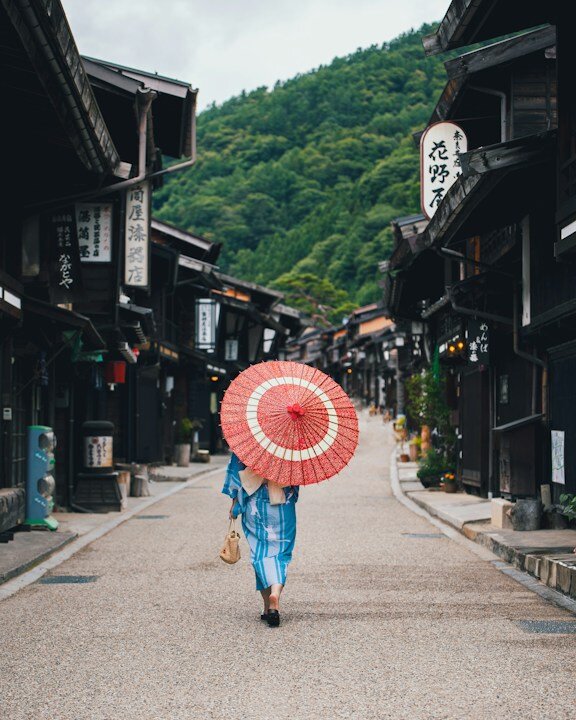
Yes, short-term rentals are legal in Japan under the Private Lodging Business Act, known as the Minpaku law.
Every host must file a notification with the local government and receive a notification number (届出番号). Airbnb will not publish a listing without that number.
A listing without a registration number is a warning sign, not a bargain.
Hosts carry the legal burden. Violators face fines of up to 1,000,000 yen, and guests carry the practical risk of a cancelled booking.
Takeaway: look for the number before you look at the photos.
The Three Legal Routes Behind Every Listing
A legal Airbnb in Japan runs under one of three systems:
| Route | Night cap | What it means for you |
|---|---|---|
| Minpaku notification | 180 nights per year | The most common route, with a notification number on the listing |
| Hotels and Inns Act license | No cap | Runs like a small hotel, with a business license |
| National Strategic Special Zone | Up to 365 nights, minimum 2-night stays | Limited to designated zones |
Airbnb lets hosts enter a hotel license or special zone permission in place of the notification number.
The 180-Night Cap and Local Limits
A minpaku host can accept guests for 180 nights per year, counted from April to April.
Cities can cut that number. Some Tokyo wards and residential areas of Kyoto restrict operation to weekends, school holidays, or specific seasons.
Many hosts accept more bookings in peak seasons such as cherry blossom time and autumn leaves. When a host hits 180 nights, the calendar closes.
Takeaway: if your dates look blocked on an otherwise open calendar, the host may have reached the cap.
What Changed Recently: Zero-Day Rules
The Japan Tourism Agency announced that local governments can now set the legal cap for minpaku operating days at zero in specific areas.
Quiet residential neighborhoods and areas near schools are the likely targets. Each city still needs to pass its own ordinance before a ban takes effect.
Tourism pressure explains the shift. Tokyo’s Shinjuku Ward recorded more than 900 complaints about private lodging guests in a single fiscal year, up from 70 four years earlier.
Osaka City also stopped accepting new special zone applications, while existing certified facilities keep operating.
The change gives cities the power to ban minpaku in certain neighborhoods. It does not shut down every listing in the country.
Takeaway: expect fewer listings in dense residential districts and book earlier for peak dates.
What to Check Before You Book Airbnb in Japan
Run through this list on every listing:
- Registration number: find it in the description, or the host’s license details
- Room size: Tokyo studios can look spacious in photos and sleep guests in bunk-style layouts
- Bedding: some listings call a futon a bed, so read the description and photos
- Floor and elevator: older buildings often lack lifts
- Location: check the map for the nearest station and the walk from it
- Reviews: look for recent guests who mention noise, cleanliness, and check-in problems
If the registration number is missing, message the host before you pay.
What Hosts Will Ask of You
Japanese law requires hosts to keep a guest register.
Non-resident guests must show a passport, and the host keeps a copy. The register records your name, address, occupation, and nationality.
Residents of Japan show a residence card or Japanese driver’s license instead.
Airbnb also reports host name, address, notification number, and nights booked to the Japan Tourism Agency every day, so the system tracks each listing.
Takeaway: carry your passport and a spare copy, and do not worry when a host asks for them.
Red Flags When You Book Airbnb in Japan
- A host asks you to shorten your stay and pay the rest outside Airbnb. Hosts do this to dodge the 180-night cap, and you lose all platform protection.
- No notification number anywhere on the listing.
- A host refuses to share a passport copy procedure. Legal hosts need it.
- Photos that hide the room size.
Airbnb has canceled bookings on unregistered listings before, and travelers had to rebook at short notice. A legal listing protects your trip.
When a Hotel Beats an Airbnb
Pick a hotel or ryokan in these situations:
- You arrive late at night and need a staffed front desk
- You stay one or two nights only
- Your dates fall in cherry blossom season or autumn leaves, when cities fill up
- You travel with large luggage and the listing sits above stairs
Japan treats stays under 30 days as lodging that needs a license. Longer stays follow different rules, so monthly apartment rentals suit travelers who plan a longer visit on a 90-day visa-free landing.
Quick Answers to Common Questions
Is Airbnb illegal in Japan?
No, legal hosts hold a registration and display the number on the listing.
Can I get in trouble for booking an unregistered Airbnb?
The law targets hosts, but a canceled booking and zero recourse are your main risks.
Why does my host want my passport?
Japanese law requires hosts to record non-resident guests and keep a passport copy.
Can I book Airbnb in Japan for more than 30 days?
Yes, but long stays follow different rules than short lodging, so confirm the terms with the host.
Will these rules change again?
Local ordinances keep changing, so check the city’s rules and your listing’s number before you pay.
Book the Registered Listing, Not the Cheapest One
You can still book Airbnb in Japan, and a registered listing gives you a legal stay, a recorded host, and a refund path if something fails.
Check the number, bring your passport, and book early for popular months.
The cheapest listing costs the most when a host cancels three days before your flight.
